47 days, more than 10,000 kilometres and eight countries.
We left Kraków and headed north through Lithuania, Latvia, Estonia and Finland, all the way to Norway and the North Cape. From there, instead of taking the same route back, we turned south and followed Norway’s western coast, travelling through the Lofoten Islands, visiting Runde and eventually reaching the Stavanger area.
After almost seven weeks on the road, we took the ferry to Denmark and continued through Germany back to Kraków.
This was mainly a photography trip. We had a general plan, but we didn't want to follow a strict schedule. Some places were planned in advance, while others appeared simply because the light was good, the weather changed or we found somewhere worth stopping for.
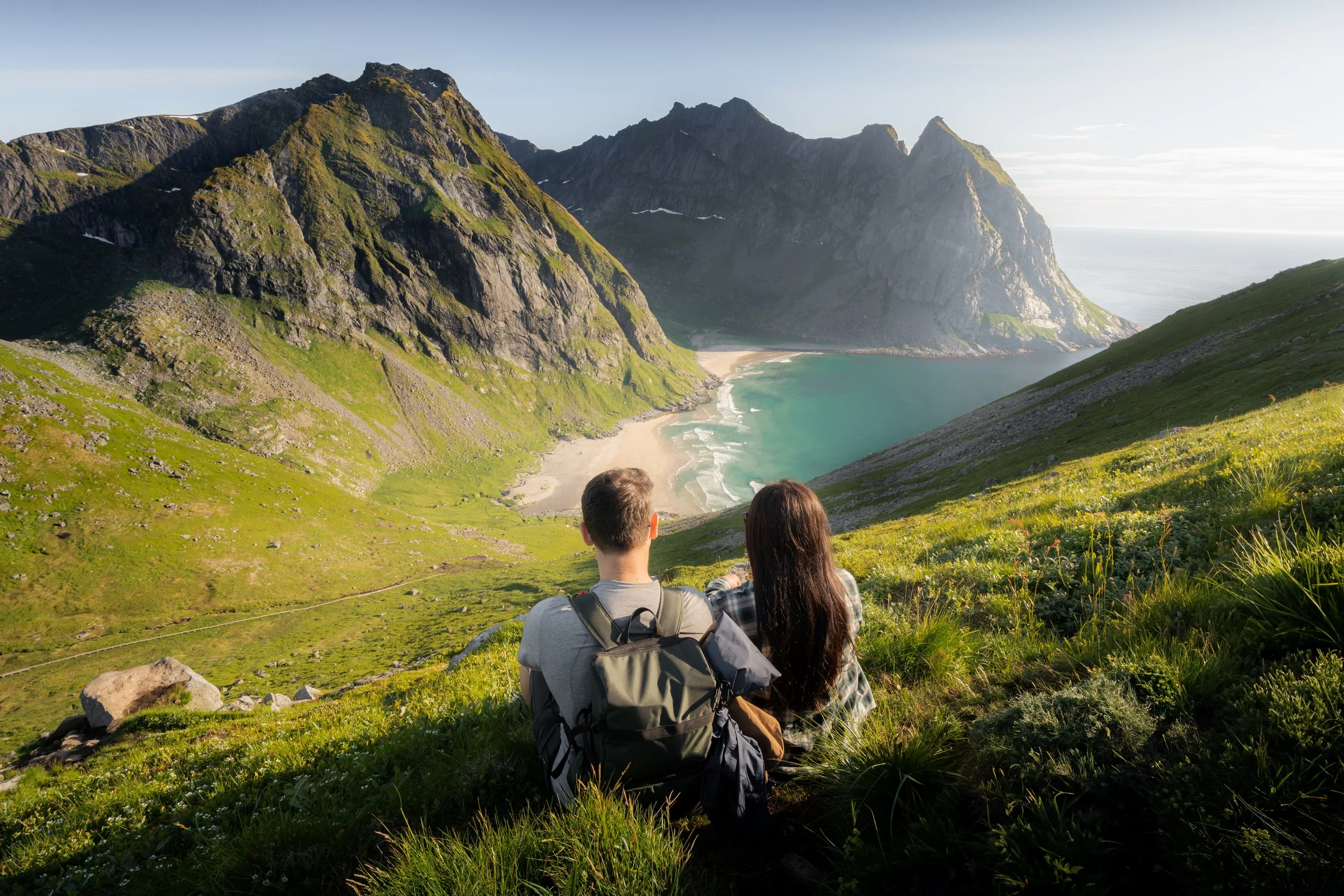
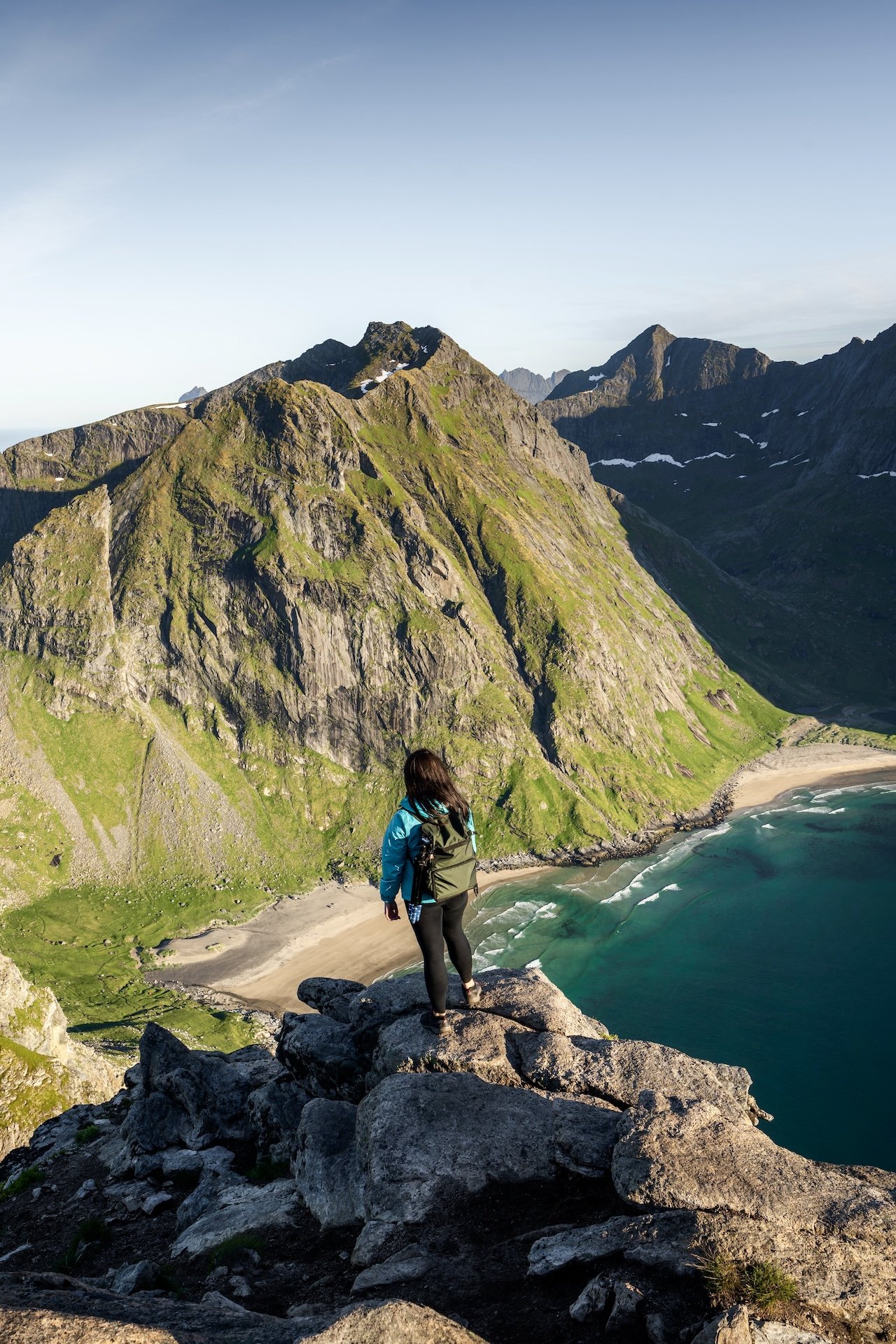
Kvalvika beach, Norway
The route
🛣️ Kraków → Lithuania → Latvia → Estonia → Finland → Norway → Denmark → Germany → Kraków (Poland)
More than 10,000 kilometres on the road. And although there were many places we wanted to see, some of my favourite photographs came from the moments between them.
The Baltic Coast – The Beginning of the Journey
Our first days took us along the Baltic coast.
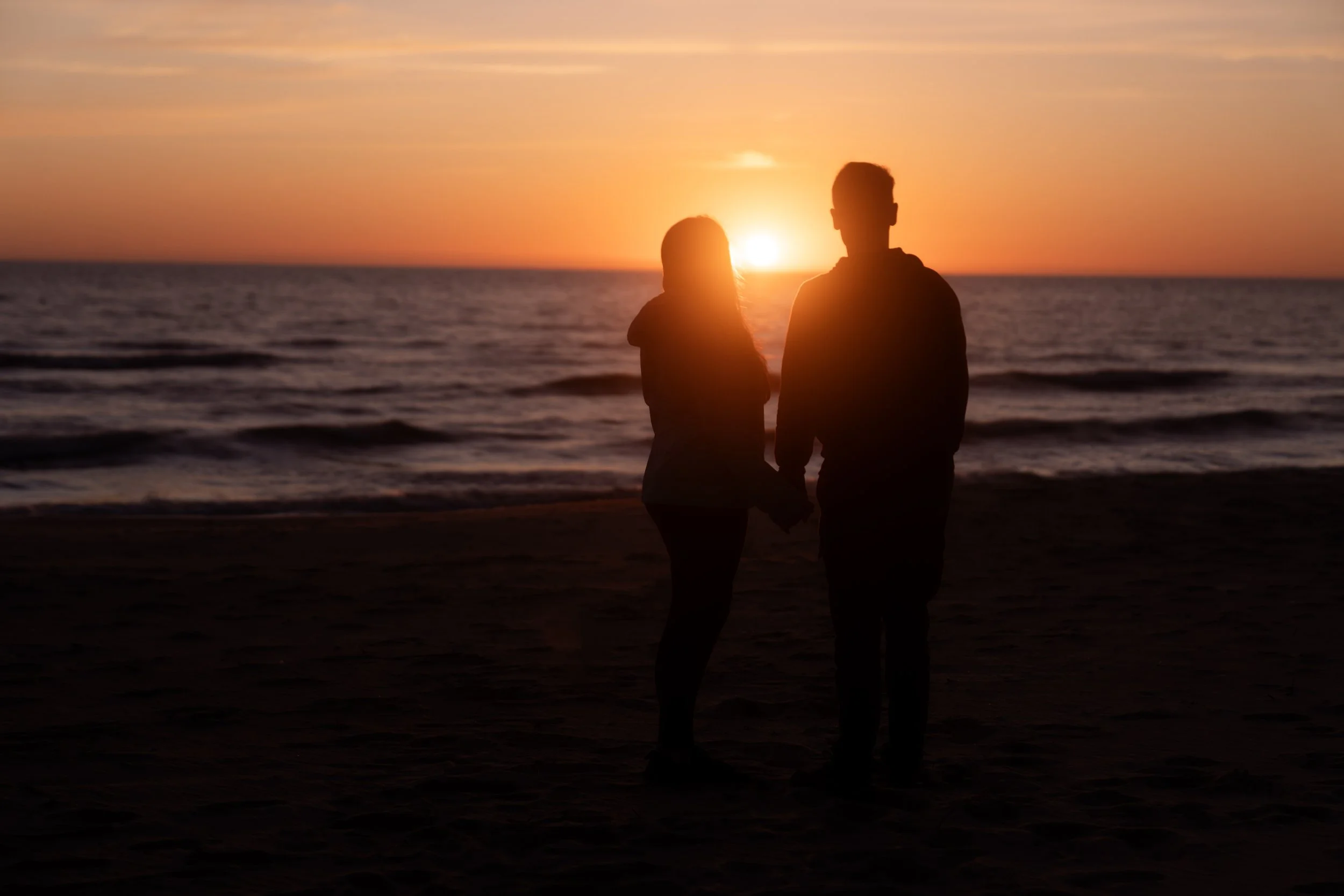
After leaving Kraków, we crossed into Lithuania and stopped at the Curonian Spit. We spent some time walking through the dunes and along the beach, getting our first taste of the northern landscapes.
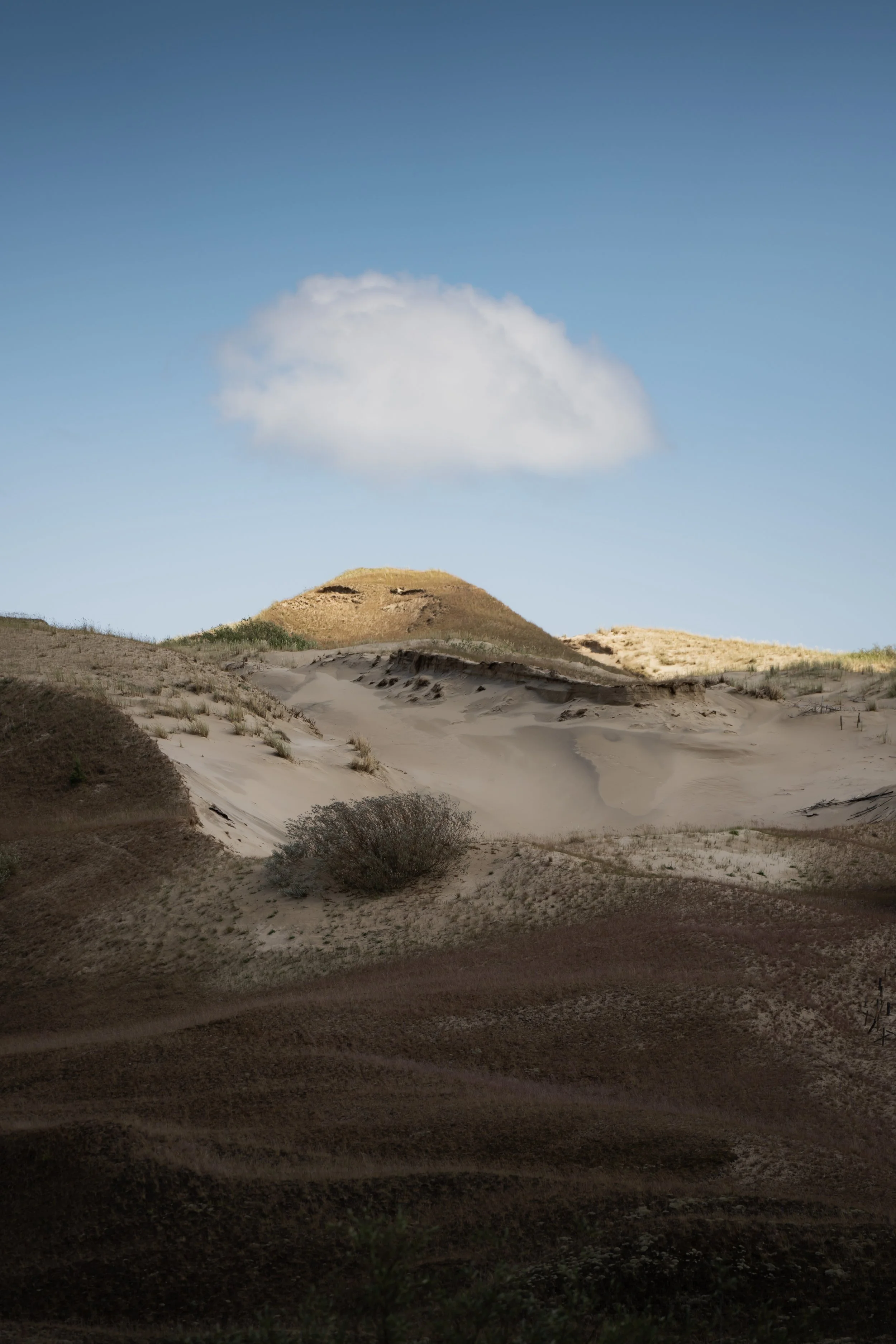
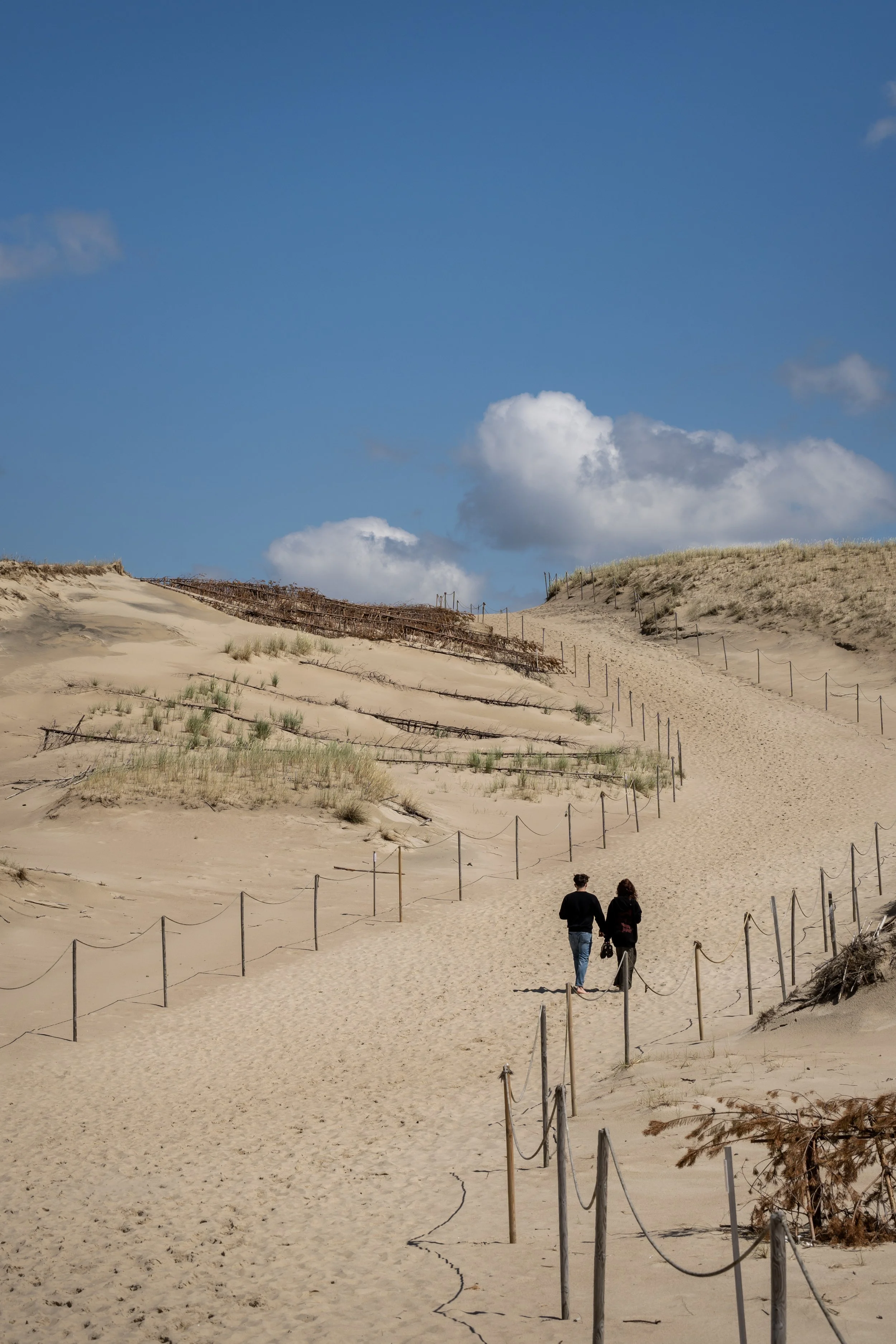
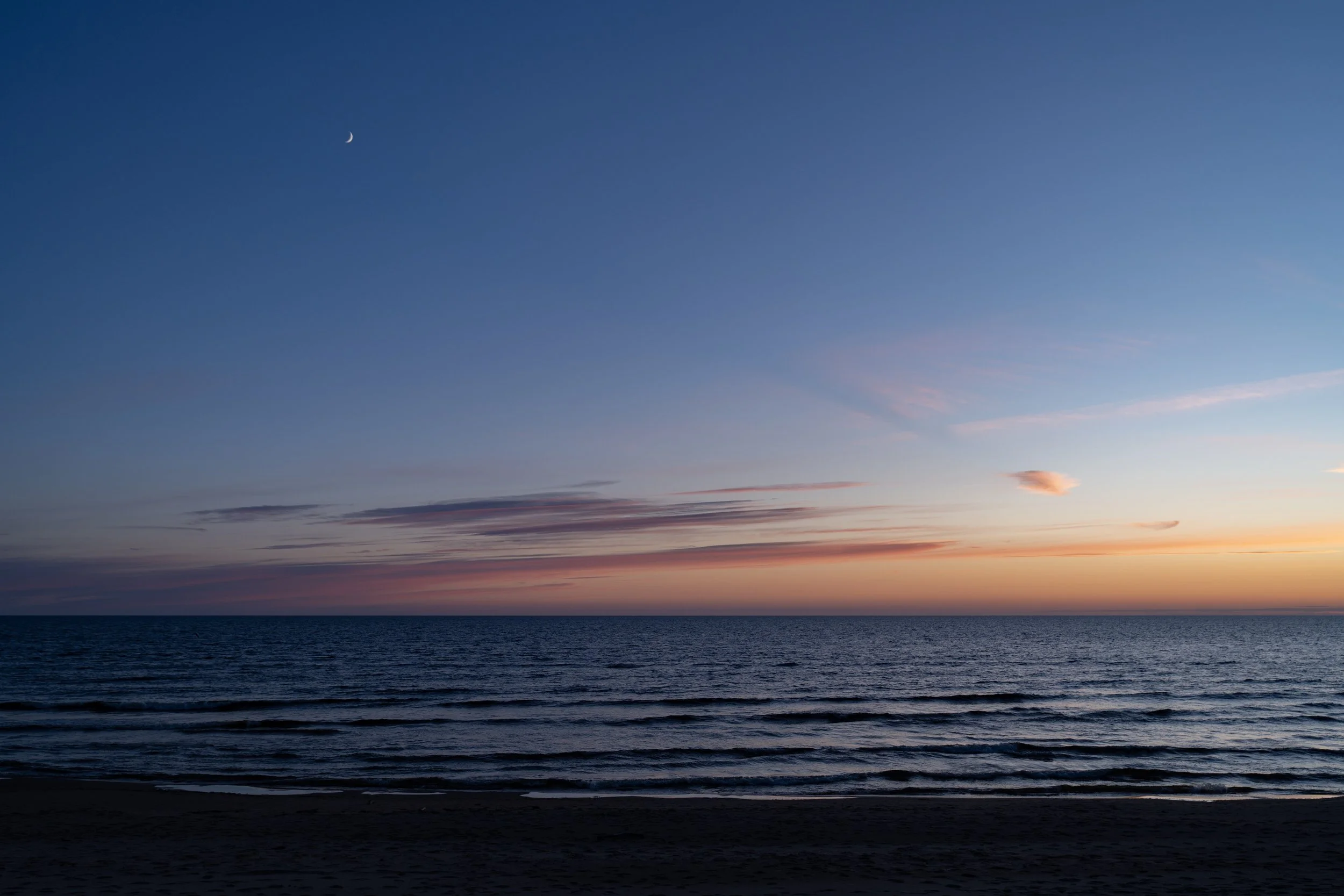
From Lithuania, we continued to Latvia. After a short stop in Riga, we headed towards the coast and stayed at a campsite in Tuja, right by the beach. There was something very simple about this place. We could park the van, walk straight to the beach and just wait for the evening light. We then continued to Estonia, with a short stop in Tallinn before taking the ferry to Finland.
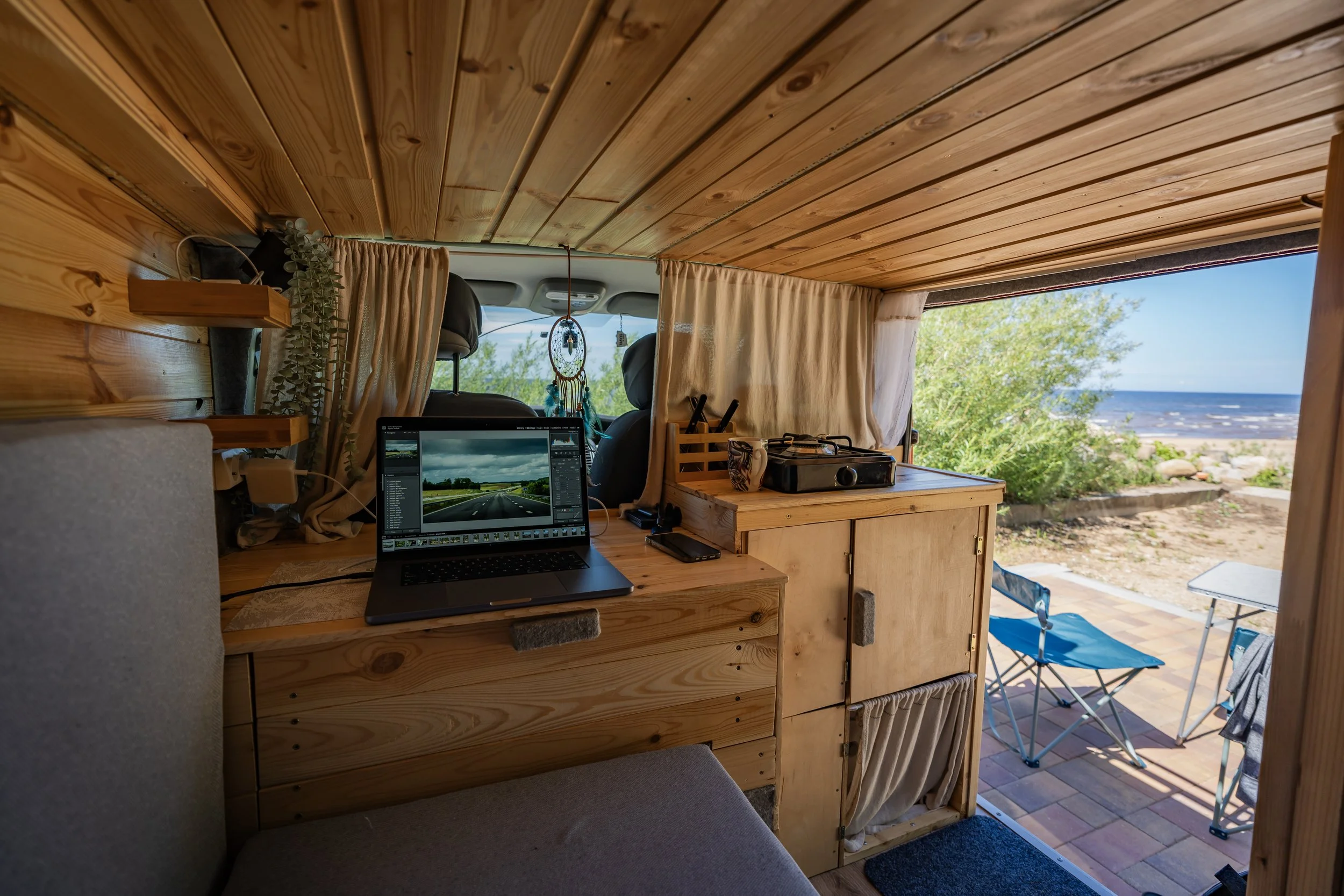
Finland – Heading Further North
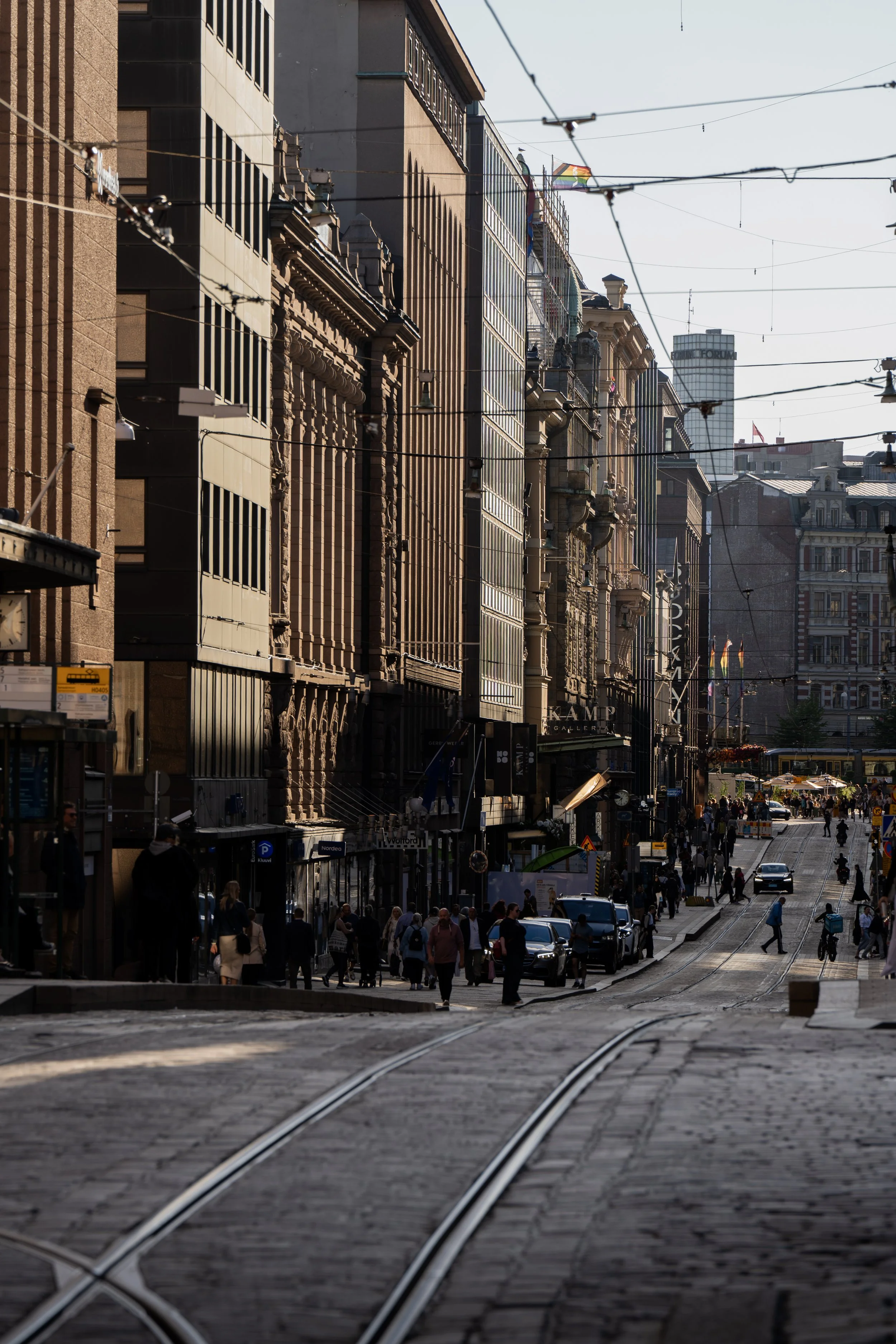
We didn't spend much time in Helsinki. Our main direction was already clear – north.
Once we left the city, the landscape became quieter and more open. Long roads, forests and lakes started to dominate the journey.
Finland was mostly a travelling stage on our way to Norway, but it was also when the road itself became an important part of the trip.
There was no need for a famous viewpoint. Sometimes an empty road and good light were enough to make us stop.
📍North Cape
From Finland, we continued towards Norway and the North Cape.
It was one of the places we had been looking forward to the most, but it was never meant to be the end of the journey.
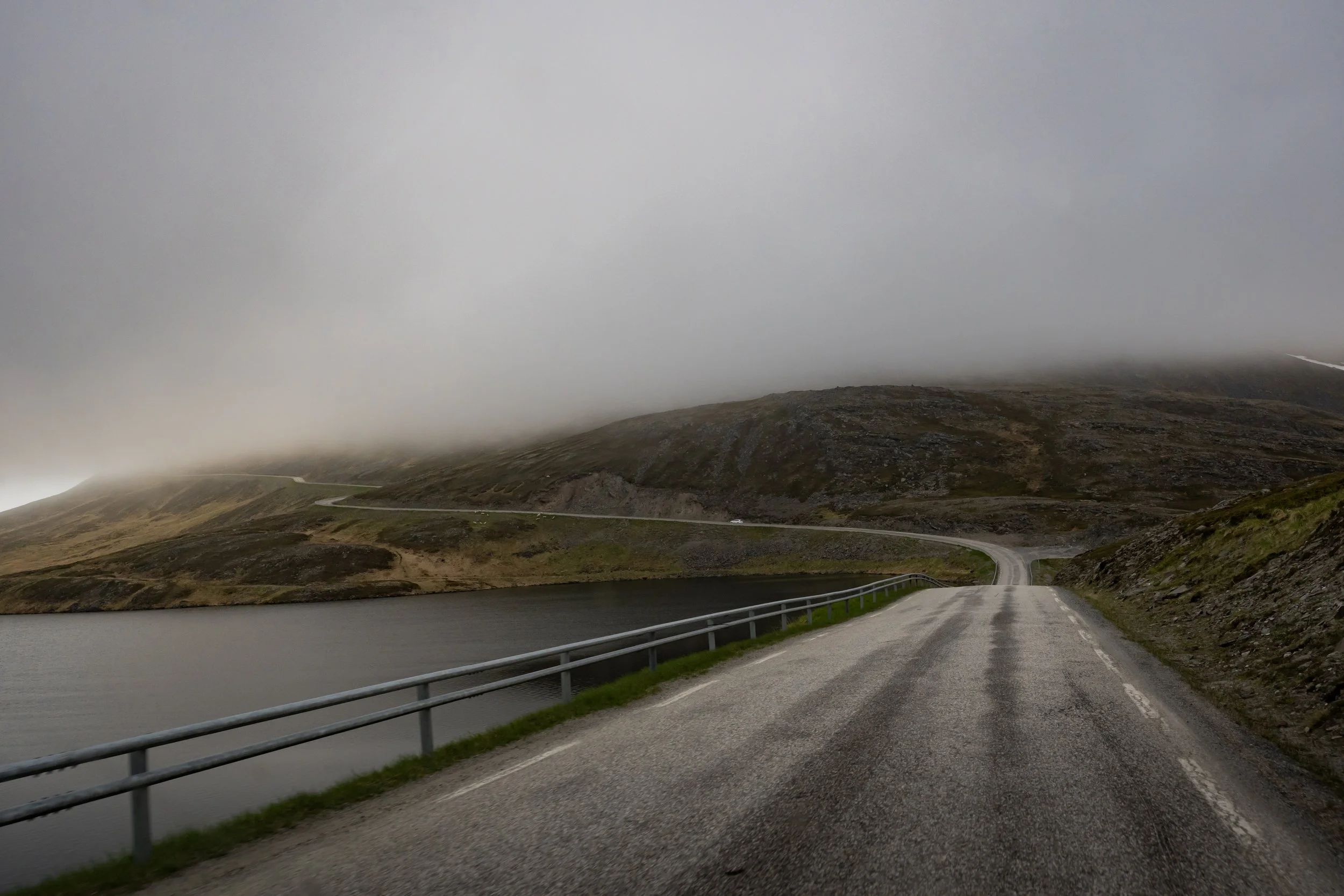
The landscape around the North Cape is very open and exposed. Cliffs, ocean, wind and very little shelter create a feeling of being at the edge of the continent.
The second part of our Norwegian journey was about to begin.
Lofoten – The Heart of the Trip
The Lofoten Islands were probably the most important part of the whole journey from a photography point of view.
We stayed there for around a week, partly because the weather wasn't on our side. There were plenty of rainy days, so instead of moving on, we decided to wait for better conditions.
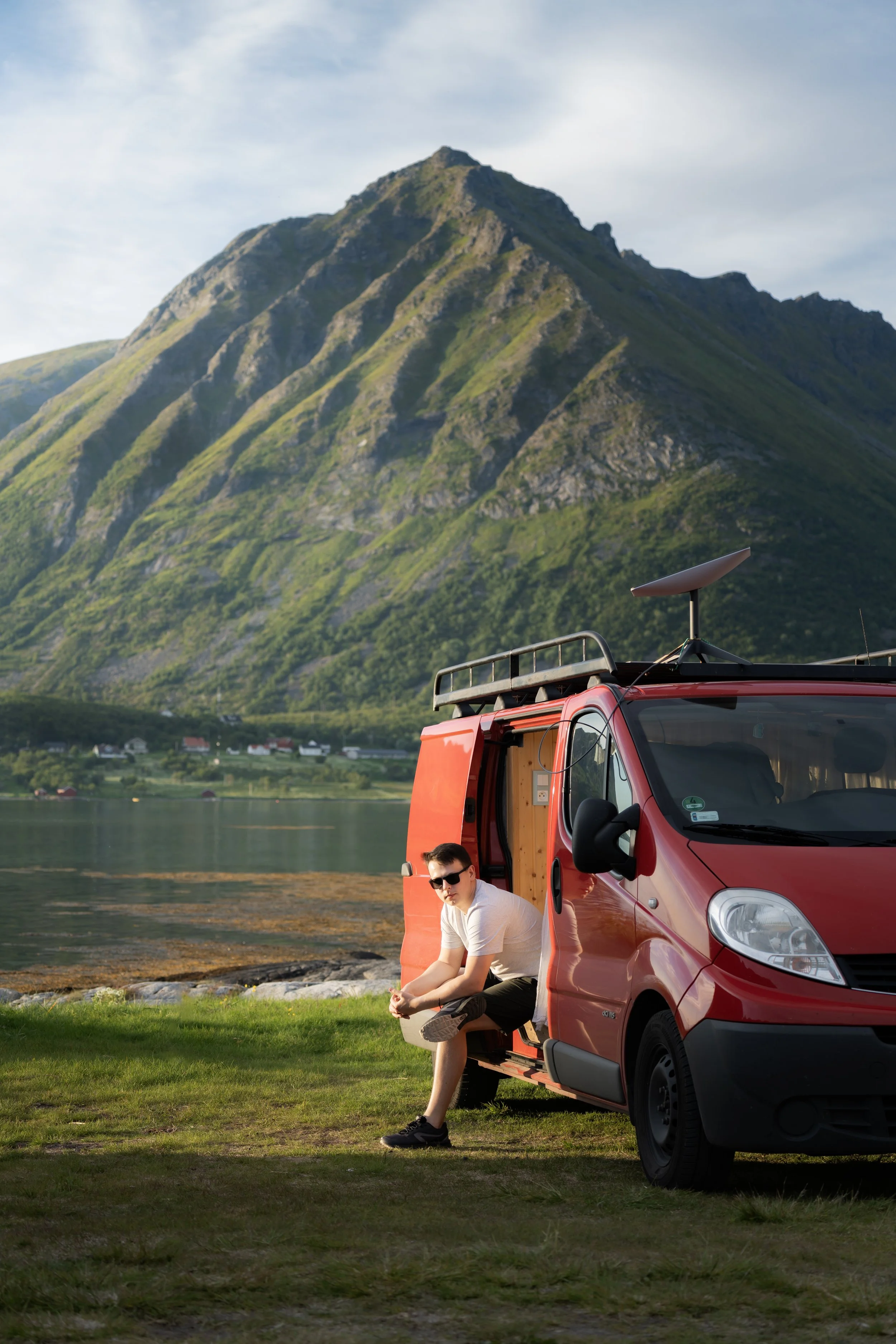
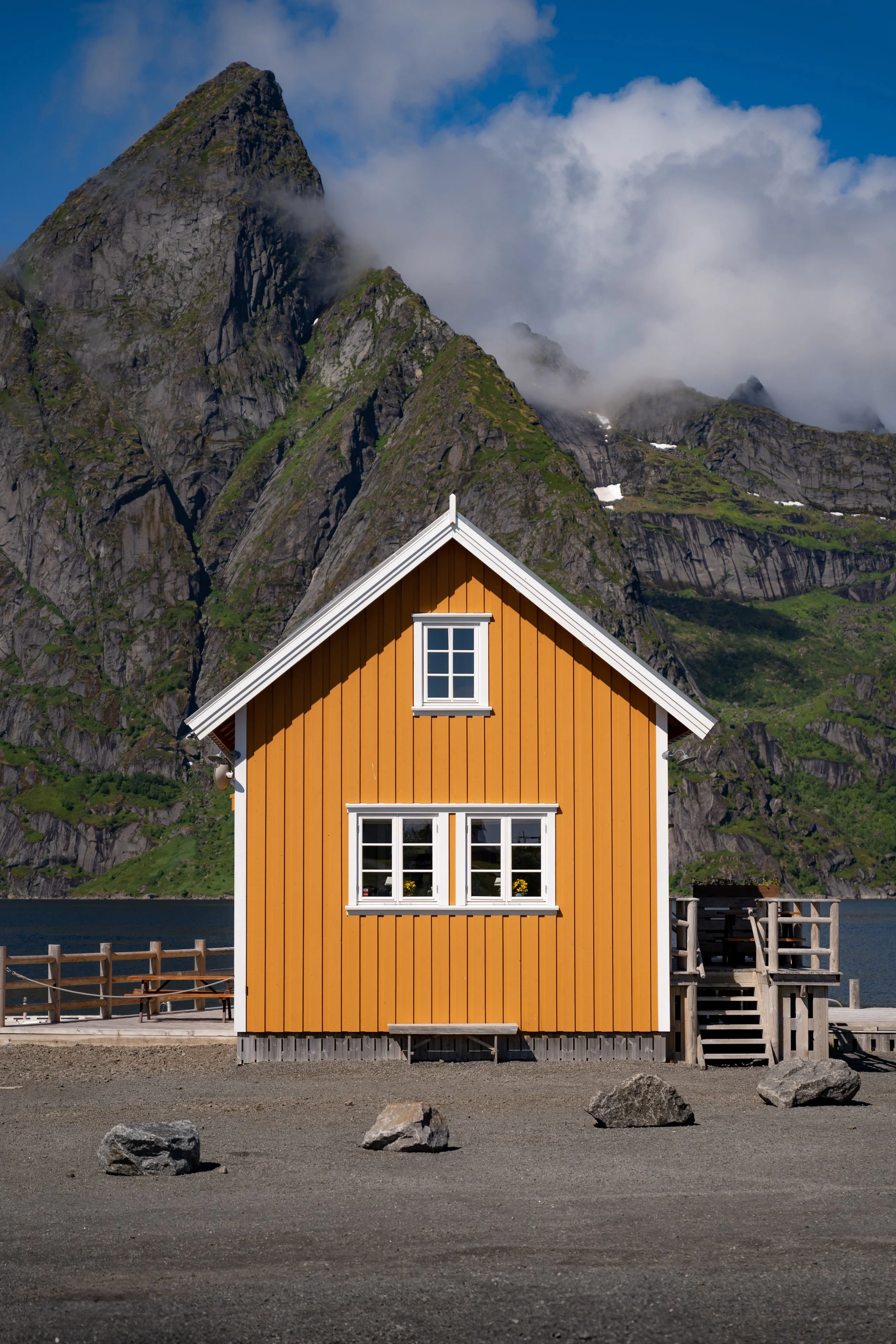
It was worth waiting.
When the weather finally opened up, we headed out for some of the hikes we had planned.
One of the highlights was Reinebringen, with its views over the surrounding mountains, islands and fjords.
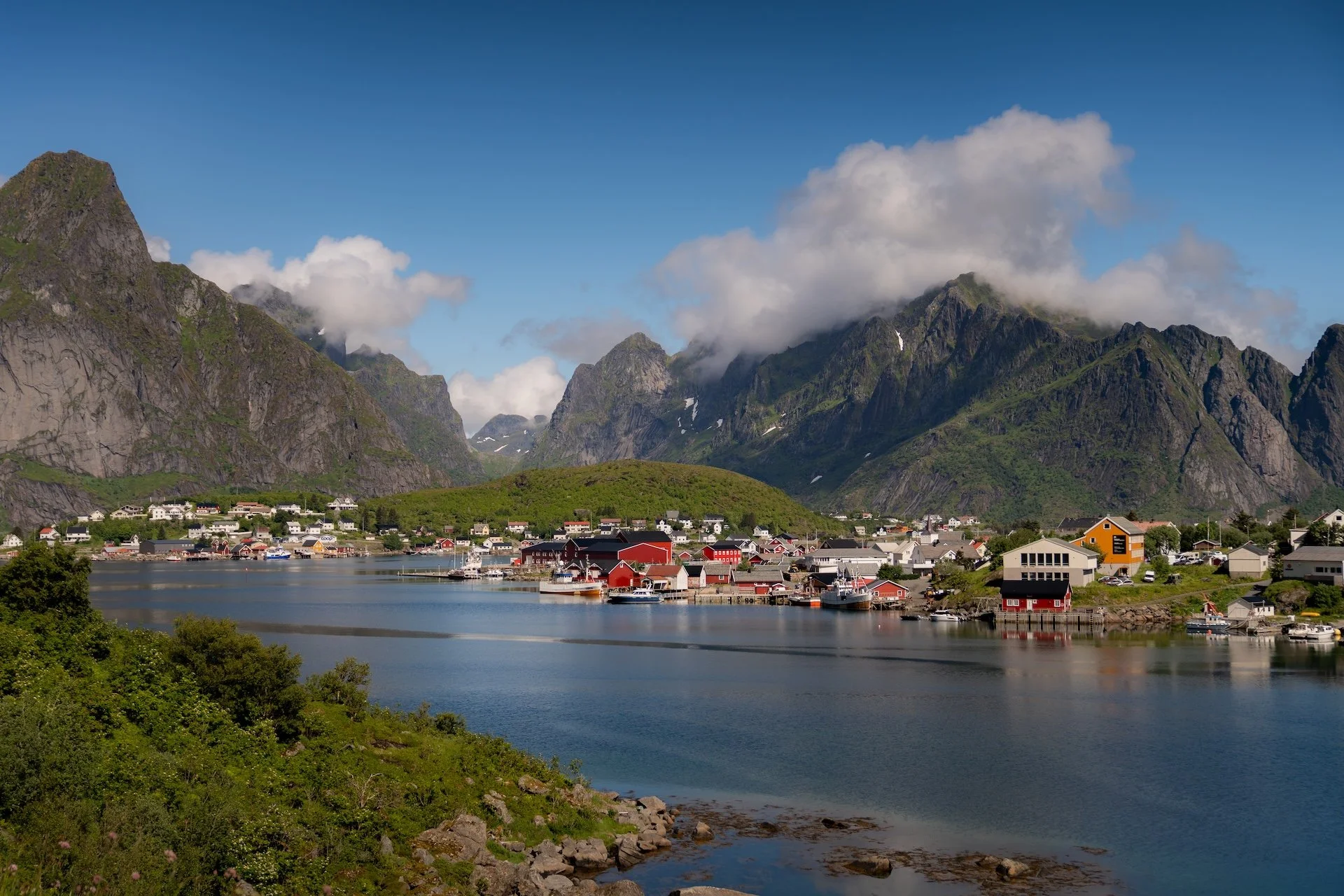
We also hiked to Kvalvika Beach, surrounded by mountains and open ocean. The Lofoten Islands gave us plenty of different conditions to photograph – rain, clouds, short breaks in the weather and beautiful evening light.
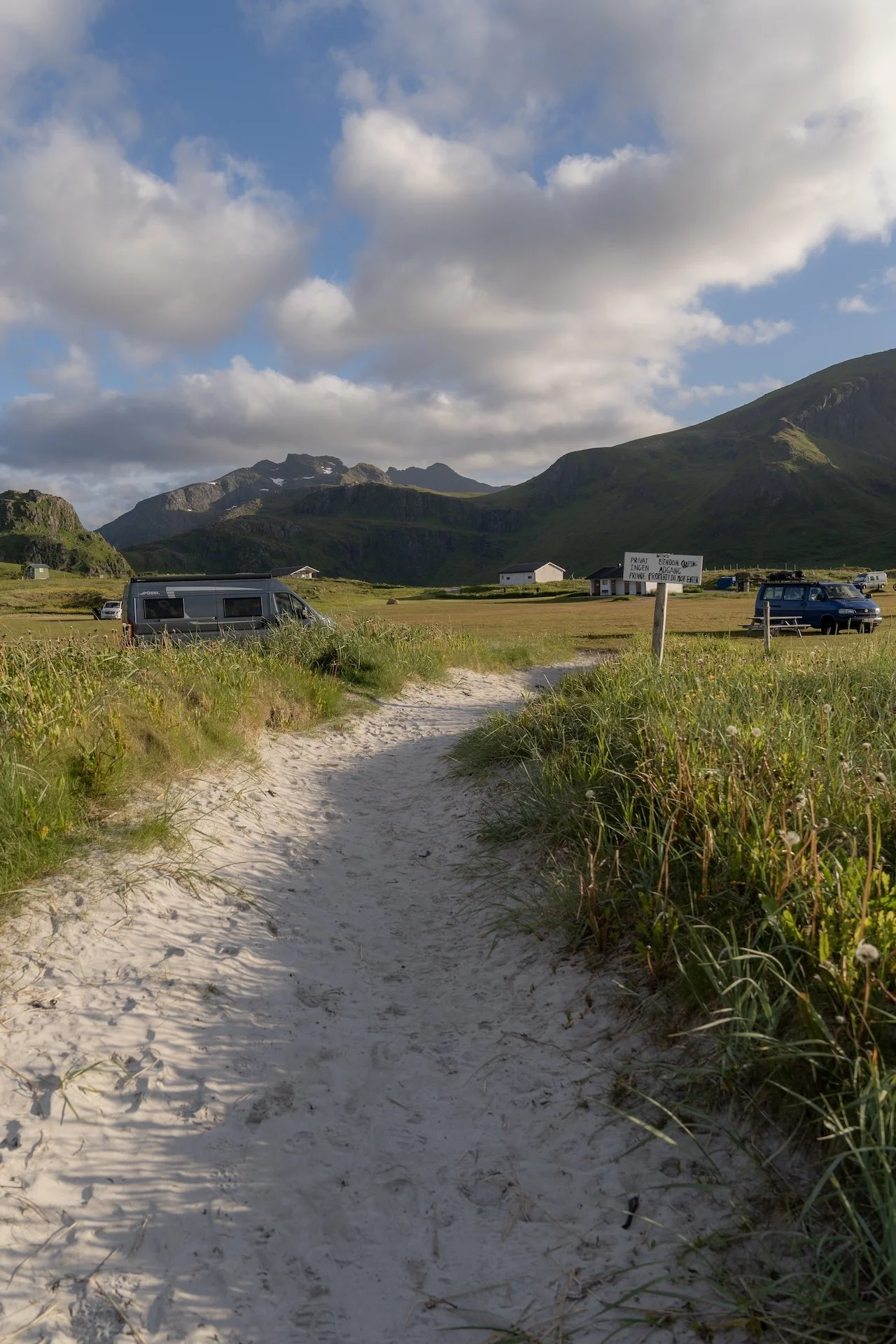
We stayed at a campsite near the beach, where we could watch the light change late into the evening.
Because we travelled in June and July, the sun never really disappeared. The golden evening light could last for hours, and it was easy to lose track of time.
These long, bright nights became one of my favourite parts of travelling in northern Norway.
Southern Norway – Waterfalls, Roads and Runde
After Lofoten, we continued south through Norway. This part of the journey was less about reaching one particular destination and more about the road itself. We stopped at waterfalls, viewpoints and small places along the way, often simply because something caught our attention.
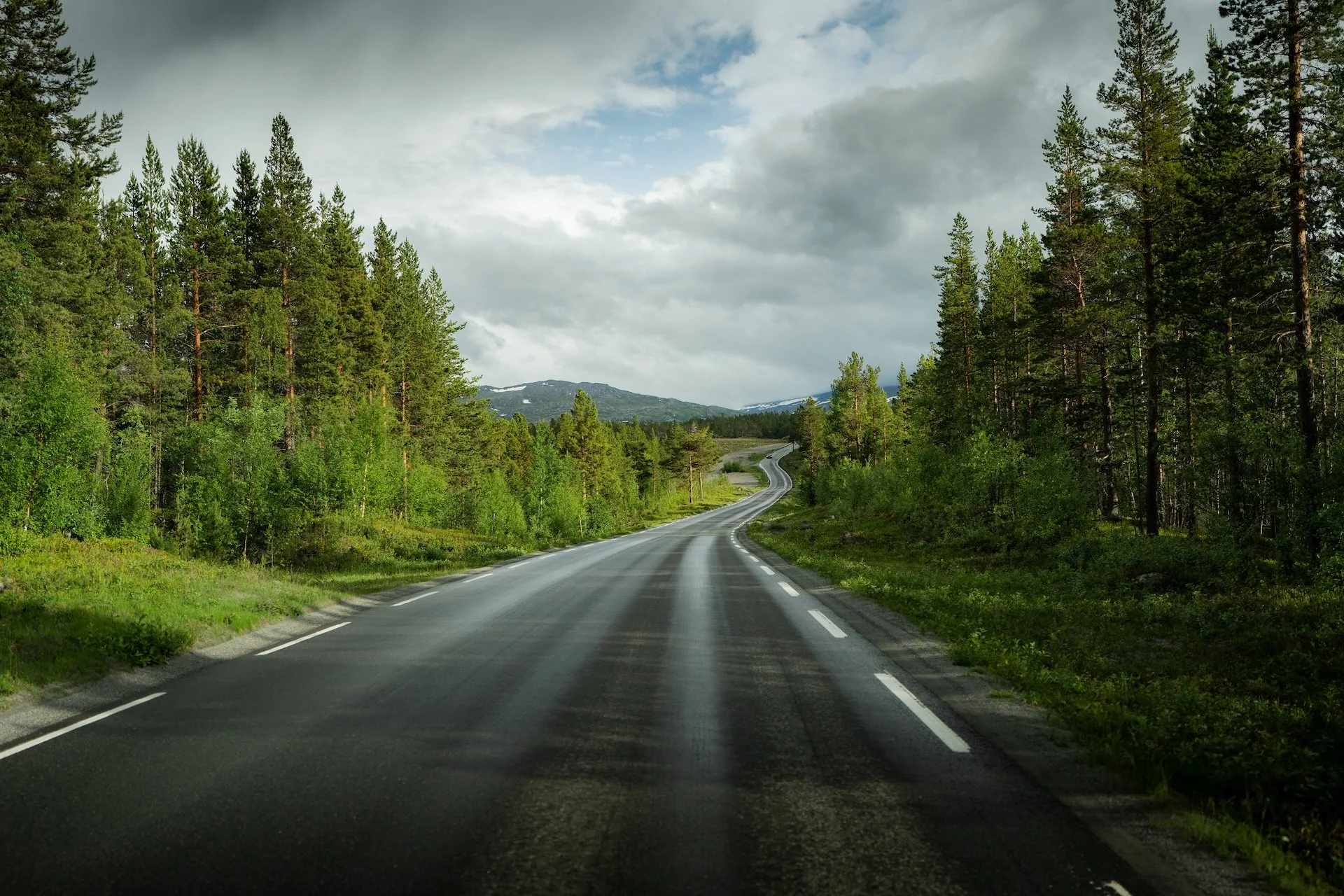
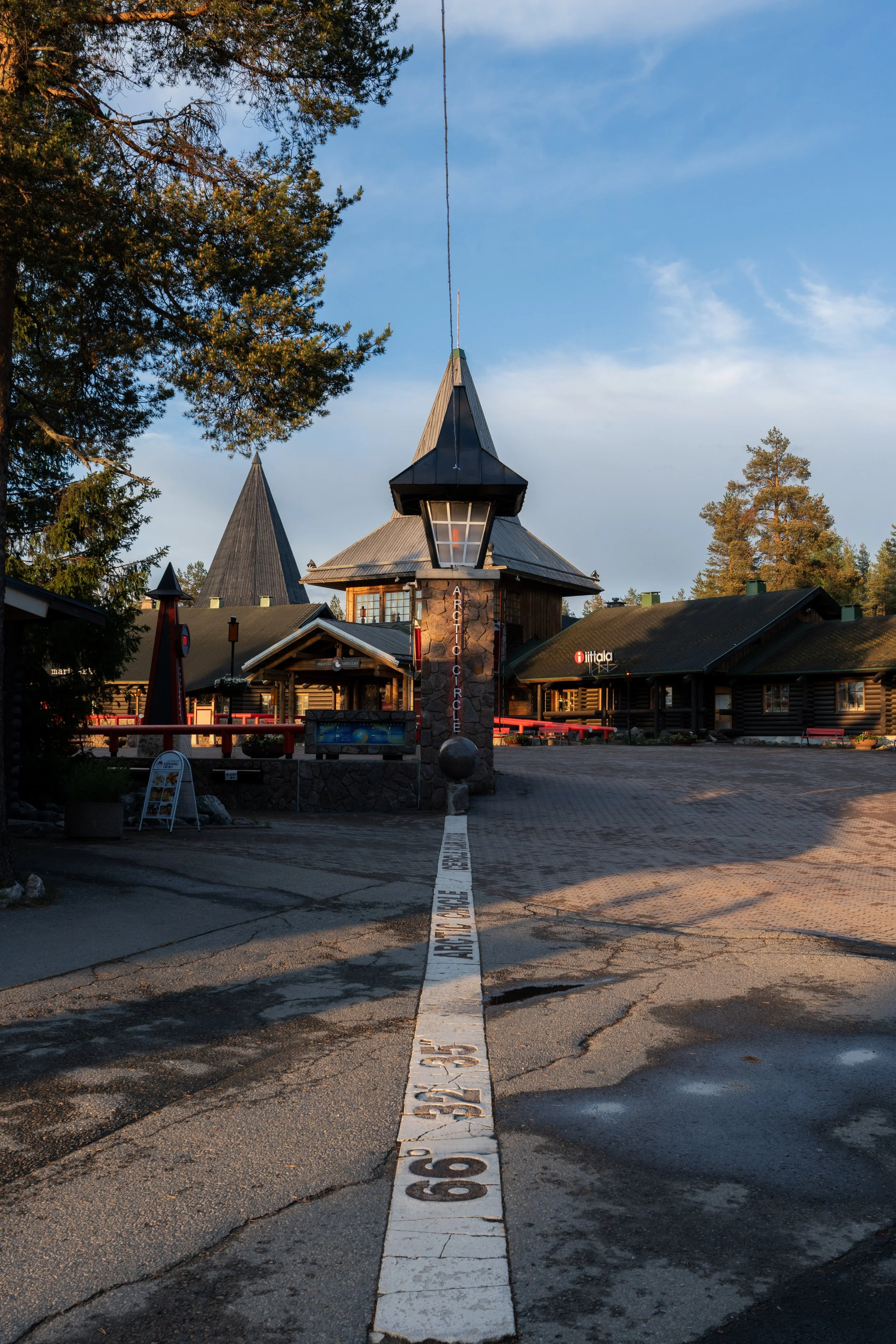
One of the memorable stops was the Arctic Circle Centre, where we crossed the Arctic Circle once again on our journey south. The landscape kept changing as we travelled further south – mountains, fjords, waterfalls and long scenic roads. We also visited Runde, a small island known for its large seabird population. It was one of the places where we could photograph puffins in their natural surroundings
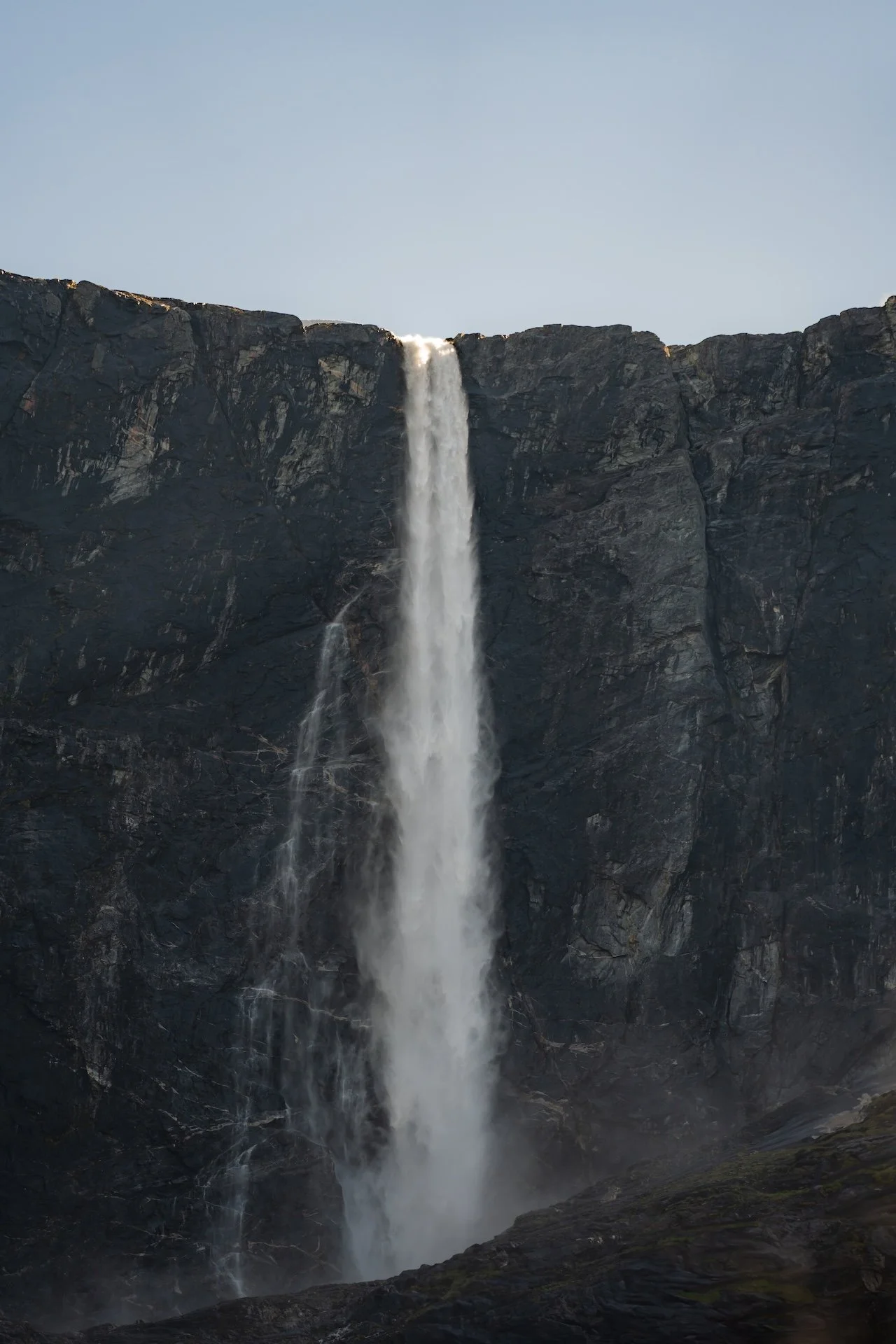
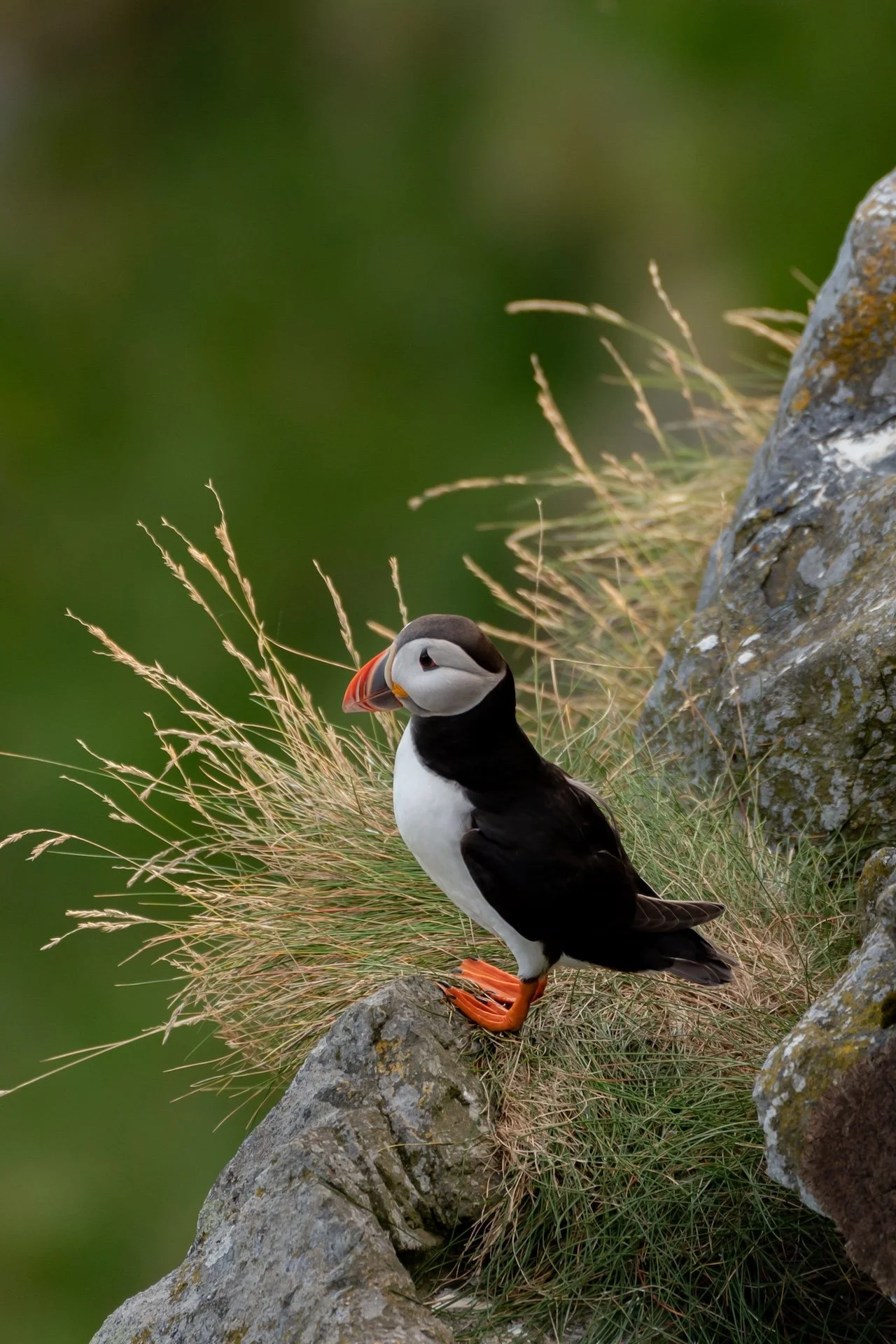
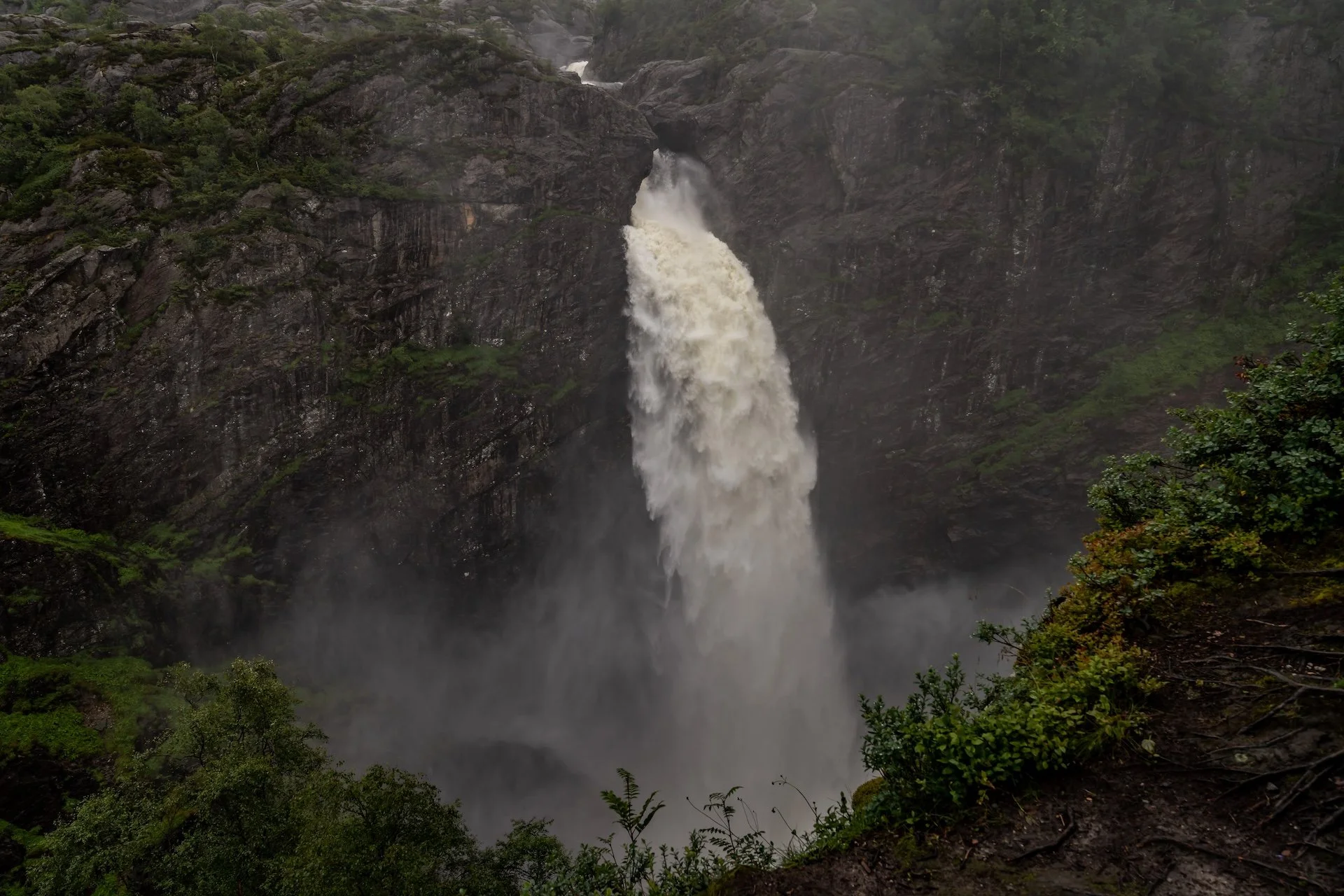
But Runde was interesting beyond the wildlife. The island itself offered beautiful coastal landscapes and a completely different perspective on the Norwegian coast. One of the most atmospheric places we visited during this part of the trip was Manafossen.
We arrived in darker, cloudy weather, which gave the waterfall a much more dramatic character.
Stavanger and Preikestolen
Further south, we reached Stavanger.
We spent some time in the city, but the main reason for stopping in this area was another famous Norwegian hike – Preikestolen. The hike was very different from the trails we had done in Lofoten, but the view from the top was just as impressive. From the cliff, the Lysefjord stretches far below, surrounded by mountains.
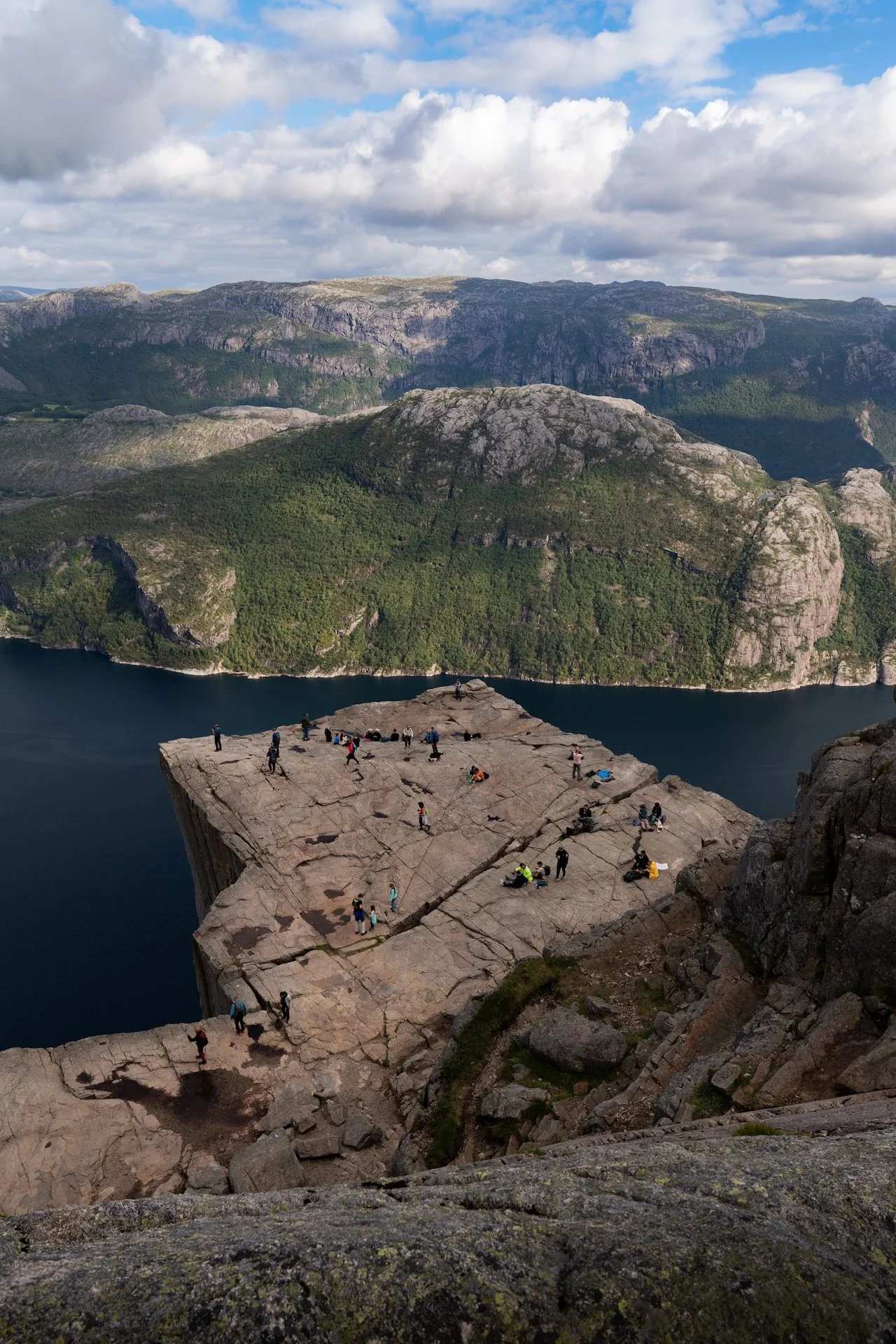
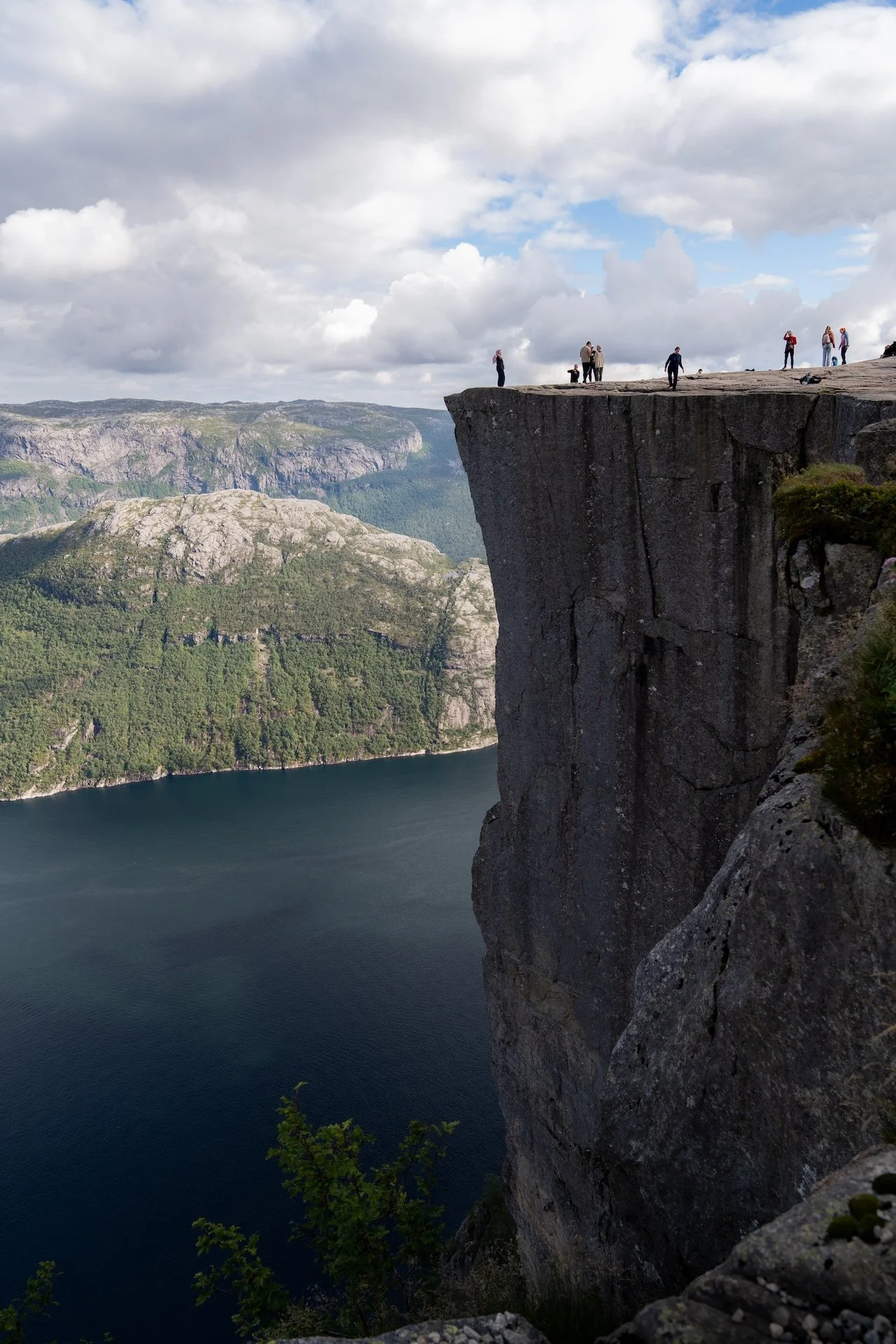
After several weeks on the road, this became one of the final major photographic highlights of our Norwegian journey.
Denmark – The Journey Home
From Norway, we took the ferry to Denmark.
After spending so much time surrounded by Norwegian mountains and fjords, the landscape started to feel very different. We stayed in Denmark for two nights and visited 📍Rubjerg Knude Lighthouse, a lighthouse surrounded by sand dunes on the west coast.
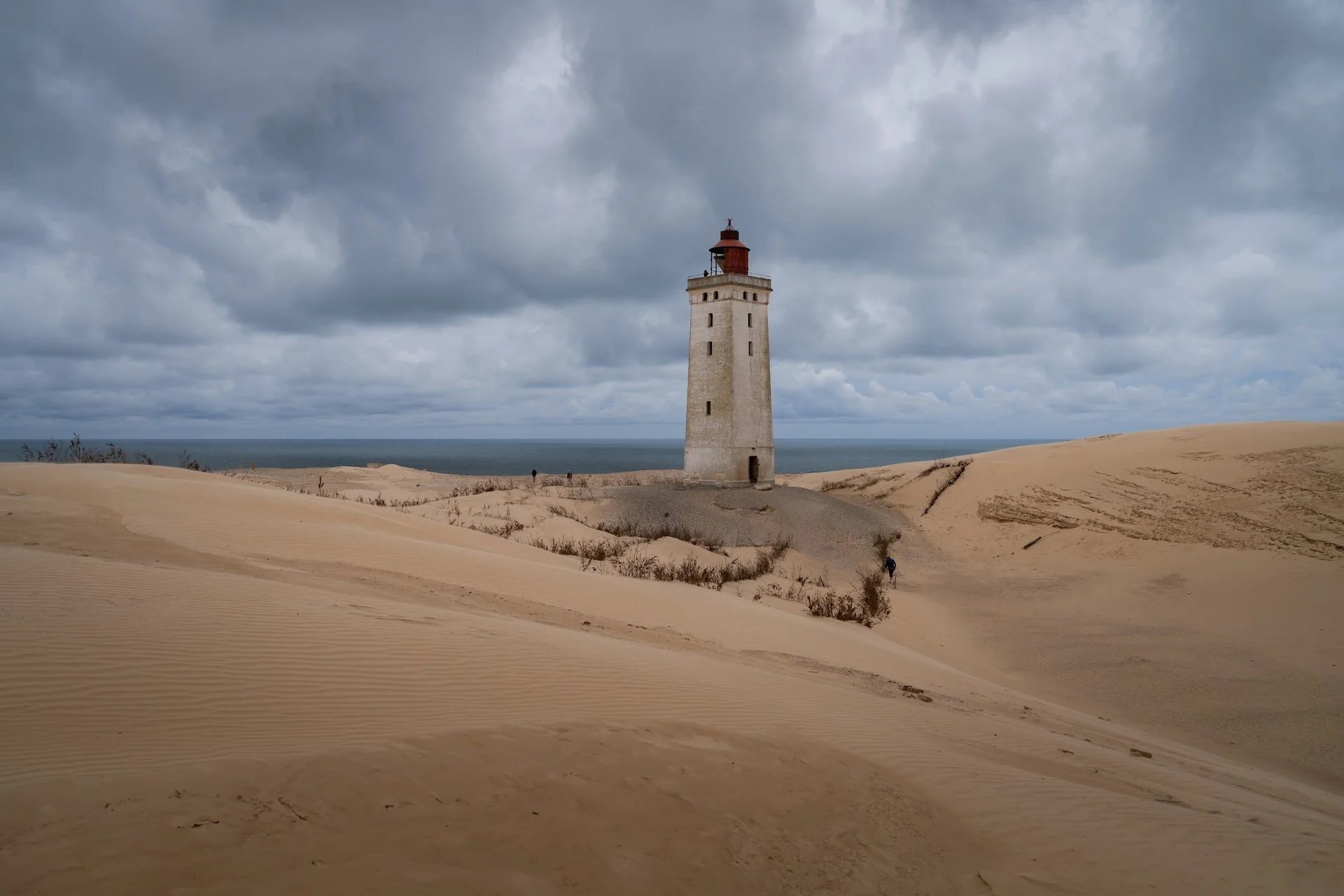
It was one of those places that didn't need much explanation. The lighthouse, the dunes and the sea created a simple but very strong landscape.
After Denmark came Germany, and finally the last kilometres back to Kraków.
47 Days Later
After 47 days, we were back home.
More than 10,000 kilometres, eight countries, countless stops and hundreds of photographs later, the journey was over. Not everything went according to plan. We had rainy days, changed our route several times and waited for better weather in places where we wanted to photograph.
And that is probably what I like most about this kind of travel.
The best photograph is not always waiting at the famous viewpoint marked on the map. Sometimes it appears on an empty road, during an unexpected stop, or after several days of bad weather when the light finally changes.
This trip gave us plenty of those moments!